

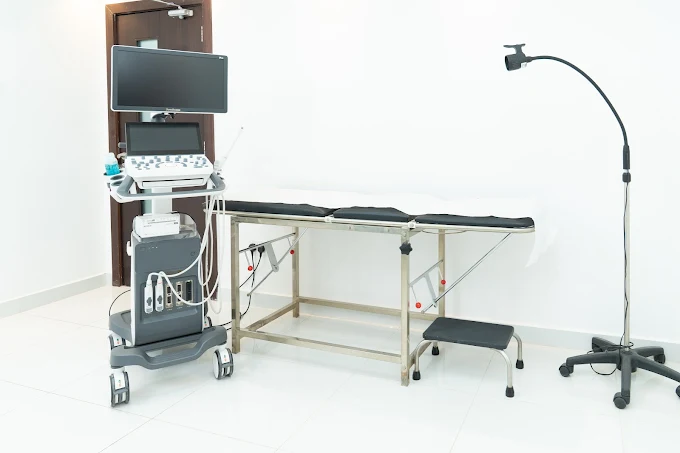
Marina Medical Center consultation room with ultrasound equipmentGeneral Surgery

Department

General Surgery

Surgical assessment and coordinated procedural care

General surgery support at Marina Medical Center is designed for patients who need clear assessment, guidance on minor procedures, wound review, or referral planning.

Care focus

Clear surgical guidance with patient safety at the center.

General surgery consultations help patients understand whether a concern can be managed in clinic, needs further testing, or should be referred for hospital-based surgical care.

Surgical assessmentMinor procedure guidanceWound reviewPost-procedure careReferral coordinationPatient counselling

Book general surgery care

Reception can help arrange the right appointment and explain what to bring.

Book on WhatsApp

Doctor for this department

Specialist-led surgical, urology & laparoscopic care.

Patients can clearly see who manages this department before booking an appointment.

Dr. Javed Iqbal
Urology & General Surgery

Dr. Javed Iqbal

Specialist doctor for urology and general surgical consultation, trained at the Royal College of Surgeons of Edinburgh.

Qualification
MBBS, M.S (Surgery), ChM (Urology), FICS (Urology)
View doctor profile
Dr. Shehzad Alam Abdulsattar
General, Laparoscopic & GI Surgery

Dr. Shehzad Alam Abdulsattar

Consultant General, Laparoscopic & Gastrointestinal Surgeon and Endoscopist with 20+ years of experience in advanced open and minimally invasive surgery.

Qualification
MS (General Surgery), FMAS, FIAGES, FAIS, FICS, FICRS, MBA (Healthcare)
View doctor profile

Service details

Surgical consultation with careful explanation and next steps.

Patients can receive assessment for surgical concerns, guidance on appropriate treatment routes, and clear follow-up instructions based on the doctor’s clinical evaluation.

What we offer

  • General surgical consultation and assessment.
  • Wound review and post-procedure care guidance.
  • Minor procedure suitability discussion.
  • Review of symptoms, reports, and medical history.
  • Referral coordination when hospital-based care is needed.

Benefits

  • Helps patients understand the seriousness of symptoms.
  • Supports timely diagnosis and treatment planning.
  • Reduces confusion around whether surgery is required.
  • Provides clear instructions for tests, wound care, or follow-up.
  • Improves continuity between clinic and specialist referral pathways.

Important safety notes

  • Some surgical symptoms require urgent emergency care.
  • Severe abdominal pain, heavy bleeding, spreading infection, or high fever should not wait for a routine appointment.
  • Any procedure may carry risks such as pain, bleeding, infection, scarring, or delayed healing.
  • Tell the doctor about blood thinners, allergies, diabetes, pregnancy, or previous surgery.
  • Follow wound care and medication instructions carefully after any procedure.

Patient FAQs

Common questions about general surgery

Do I need surgery immediately?

Not always. The doctor will assess the concern and explain whether monitoring, medication, tests, a clinic procedure, or referral is appropriate.

Can minor procedures be discussed at the clinic?

Yes. The consultation can help decide whether a minor procedure is suitable or whether a specialist facility is required.

What should I bring?

Bring previous reports, medication details, allergy information, and any imaging or lab results related to the concern.

When should I seek emergency care?

Seek urgent care for severe pain, heavy bleeding, breathing difficulty, fainting, severe infection signs, or rapidly worsening symptoms.

This information is general and does not replace medical advice from a qualified clinician.